

Dermaplaning treatment Gallery
$$MultiPurposeText$$
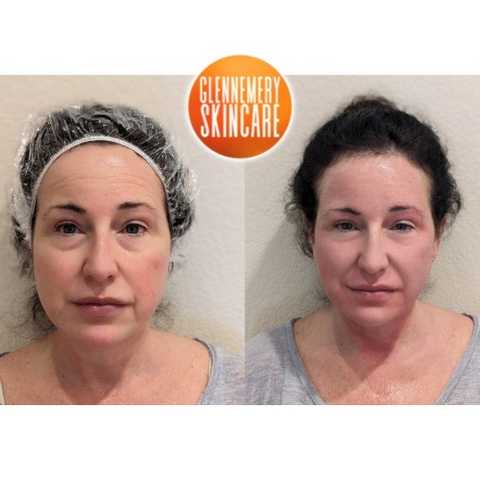
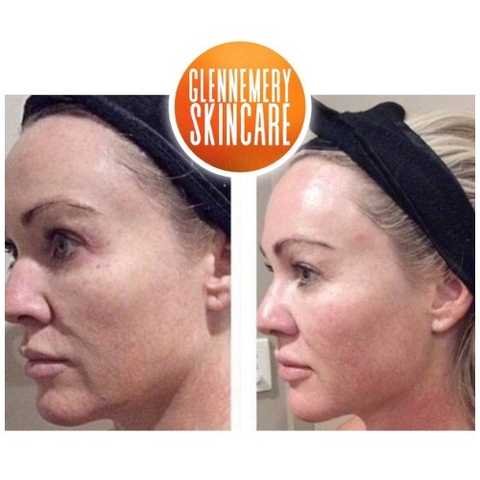
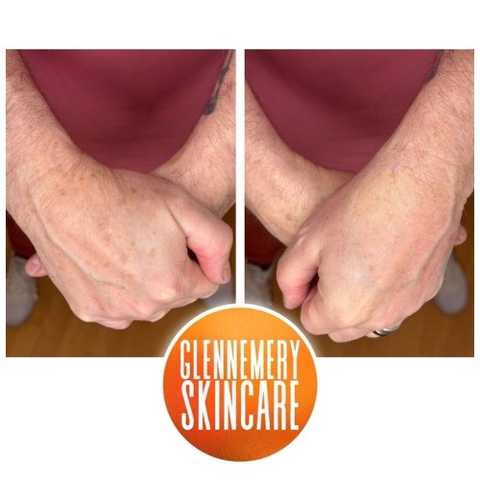
See examples of our Dermaplaning treatment work and results.






What Our Clients Say
$$MultiPurposeText$$
Read testimonials from our satisfied customers

I’m so glad I decided to treat myself to a facial. Glenn was amazing! It’s been a week si...more

Genn's facials are wonderful. My skin feels so hydrated and smooth after I have one. He al...more

Glenn was very knowledgeable about what my skin needed. I had been having an acne flair up...more

I absolutely love my facials! Glenn is amazing—so knowledgeable and gentle, and he truly u...more

I found Glenn right before Christmas and decided to treat myself to a facial. I am happy I...more

Had an amazing custom facial tailored specifically for my melanated, acne-prone skin — thi...more

Frequently Asked Questions
Get answers to common questions about Dermaplaning treatment.
Yes, when performed by a trained professional dermaplaning is safe for most skin types. Avoid if you have active acne, open wounds, or severe rosacea. A brief consultation will determine suitability and any needed alternative treatments.
Appointments typically last forty-five to sixty minutes, including consultation and red light therapy. The dermaplaning portion is quick, while the red light finish provides calming and collagen-stimulating time to optimize results.
No — dermaplaning removes hair at the skin surface and does not alter growth patterns. Hair may appear blunt initially but returns with the same texture and thickness. Regular treatments maintain the smooth appearance without stimulating thicker regrowth.
You can usually apply mineral makeup the same day, but it's best to wait twelve to twenty-four hours before heavier cosmetics. Use gentle, non-irritating products and keep skin hydrated and protected with SPF when outdoors after treatment.
Most clients return every four to six weeks to maintain smoothness and prevent regrowth. Your esthetician may recommend a personalized frequency based on skin type, hair growth rate, and combined treatments like chemical peels or microneedling.
Temporary redness or mild sensitivity is common immediately after treatment and typically subsides within twenty-four to forty-eight hours. Rarely, minor irritation or breakouts occur. Follow post-care instructions, avoid exfoliants for a week, and protect skin with SPF to minimize effects.